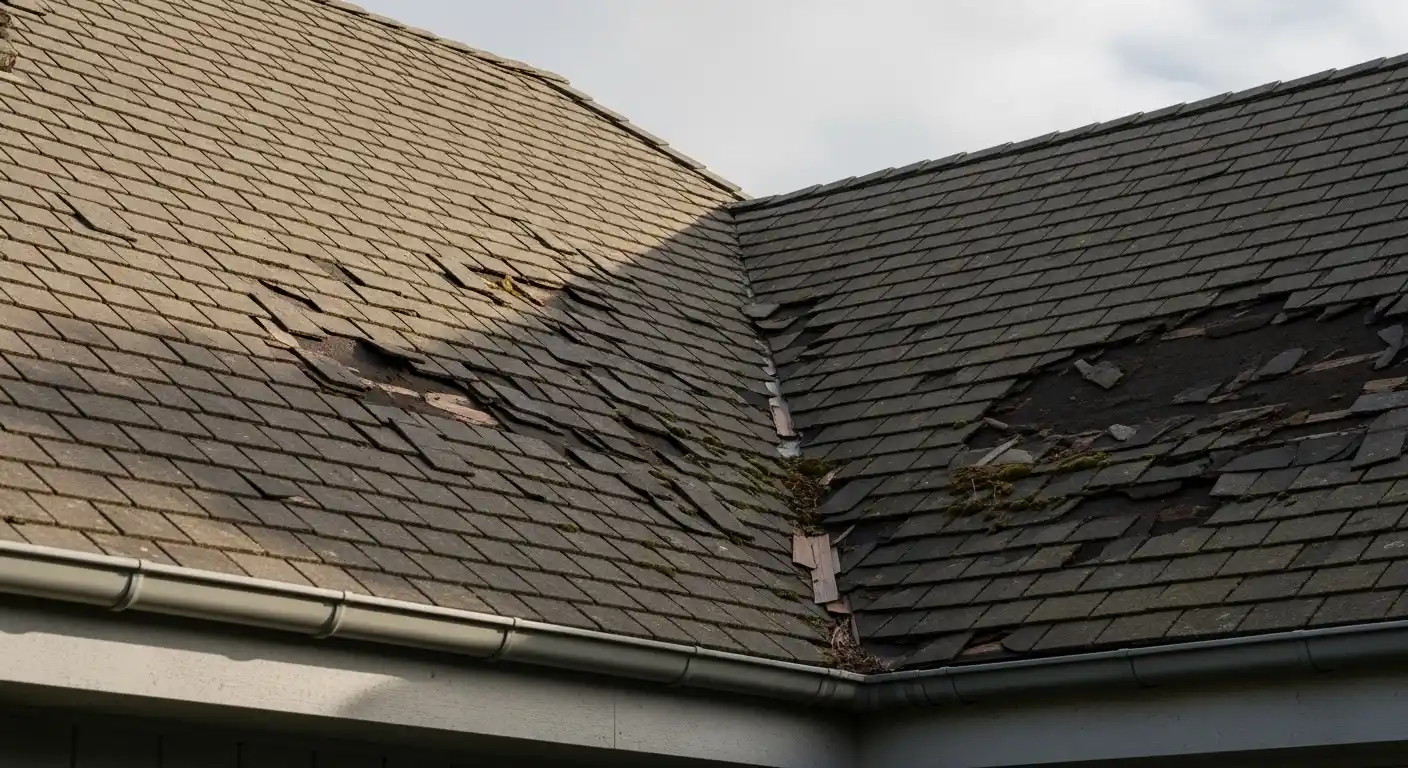
Roof Deterioration Signs and Causes: Complete Homeowner Guide
Understanding the Real Impact on Your Roof
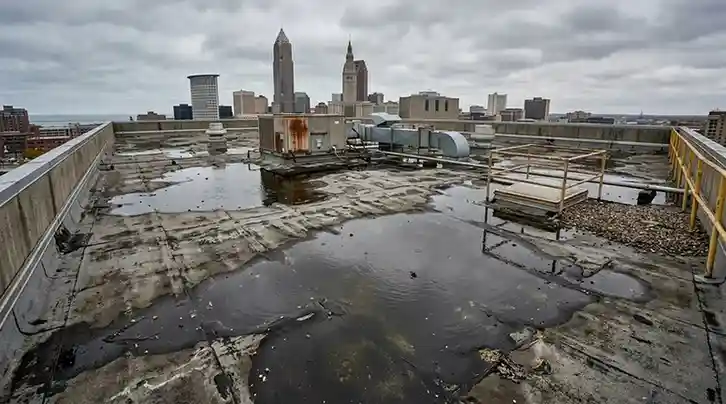
Here’s the thing, most people don’t notice small issues on their roof until they turn into serious problems. What starts as minor wear can quickly escalate into costly repairs if ignored. This is where roof deterioration becomes a real concern. It doesn’t happen overnight; it builds up over time due to weather exposure, aging materials, and lack of maintenance. When you understand how these factors affect your roof, you can spot early warning signs and take action before the damage spreads. This not only protects your home but also saves you from unexpected expenses down the line.
For most of us, our home is the biggest investment we’ll ever make. We spend hours picking the right interior paint, landscaping the yard, and choosing the perfect furniture.
But there is one part of the house we often take for granted—the roof. It sits up there, day after day, baking in the sun and shivering in the frost, silently shielding everything we love.
At Eagle JA Roofing LLC, we’ve seen firsthand what happens when a roof is left to fend for itself for too long.
Roofs don’t just “fail” overnight; they undergo a gradual process of roof decay. The trick is knowing how to listen when your roof is trying to tell you something is wrong.
This guide is designed to help you understand the causes of roof deterioration, recognize the early roof failure signs, and take action before a small drip becomes a severe roof failure.
The Silent Enemies Behind Roof Deterioration
Before we look at the symptoms, we need to understand the “why.” Several factors work together to age your roof prematurely. Understanding these can help you extend your roof’s lifespan and keep your home dry.
1. The Unrelenting Weather Impact
Mother Nature is a roof’s toughest opponent. Weather exposure is constant. In the summer, UV rays beat down on shingles, causing the oils in the bitumen to evaporate.
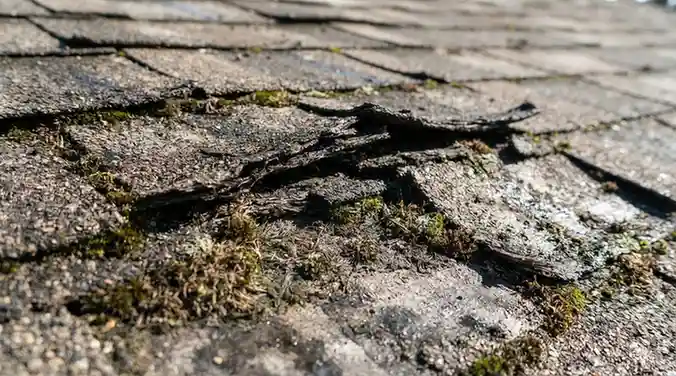
This makes aging roofing materials brittle and prone to roof cracks. In the winter, the “freeze-thaw cycle” can expand tiny cracks into major gaps. High winds and hail add mechanical stress, leading to immediate shingle damage signs.
2.Poor Ventilation: The Slow Cooker Effect Behind Roof Deterioration
Many homeowners don’t realize that the health of their roof depends heavily on the attic. Poor ventilation is one of the leading causes of roof deterioration.
If heat and moisture can’t escape your attic, they become trapped. In the summer, this excess heat literally “cooks” your shingles from the underside. In the winter, it causes roof moisture buildup, leading to ice dams and rot.
3. Moisture Retention and Debris
A clean roof is a healthy roof. When leaves, pine needles, or moss are allowed to sit on your roof, they act like a sponge.
This moisture retention keeps the roofing material damp for days or weeks after a rain. Over time, this leads to moderate roof decay, softening the wood underneath and inviting water infiltration in the roof.
Recognizing Roof Deterioration: Key Damage Indicators
You don’t need to be a professional contractor to spot the early warning signs. You just need to know where to look. Here are the most common roof wear and tear symptoms broken down by where you’ll find them.
External Visual Signs (The View from the Curb)
- Shingle Curling and Clawing: As shingles age, the edges may turn upward (curling), or the middle may start to come up (clawing). This is a sign that the shingles are no longer flat enough to seal out water.
- Granules in the Gutters: Have you noticed what looks like coarse black sand in your downspouts? Those are granules. They protect the shingle from UV rays. Once they’re gone, the roof aging problems accelerate rapidly.
- A Sagging Roofline: This is a major red flag. A sagging roof usually indicates structural roof damage. It means the decking or rafters are rotting or weakening, creating a significant roof collapse risk.
Internal Signs (The View from the Attic)
- Water Stains on the Ceiling: If you see “brown rings” on your ceiling or walls, you already have roof leaks developing. Water is finding its way past the shingles and through the underlayment.
- Attic Moisture Signs: Take a flashlight into your attic. Do you see damp rafters, matted insulation, or a musty smell? Insulation damage from water is a clear sign that your roof’s defense has been breached.
- Mold Growth: Mold thrives in dark, damp spaces. If your roof is leaking or poorly ventilated, mold will start to grow on the underside of the roof deck. This isn’t just a roofing issue; it’s a health issue.
The Stages of Roof Deterioration: A Comparison Table
Understanding the timeline of roof deterioration signs can help you budget for repairs or a replacement.
| Stage of Decay | What’s Happening? | Visible Symptoms | Recommended Action |
| Early Roof Damage | Initial wear and tear from the sun and wind. | Minor granule loss, a few missing shingles after a storm. | Annual inspection and minor “tune-up” repairs. |
| Moderate Roof Decay | The protective layers are failing; moisture is setting in. | Shingle curling, attic moisture signs, and small roof cracks. | Professional repair to replace damaged sections and improve ventilation. |
| Severe Roof Failure | The structural integrity is compromised. | Sagging roof, active leaks, interior water damage, and mold. | Immediate professional intervention; likely a full roof replacement. |
Why Early Detection of Roof Deterioration Matters
At Eagle JA Roofing LLC, we often tell our clients that a roof is like a car. If you ignore a weird noise in the engine, you’ll eventually end up stranded on the side of the road with a much bigger bill.
Roof structural weakening signs start small. A tiny gap around a chimney pipe or a single cracked shingle might not seem like a big deal, but it allows water infiltration in the roof to begin.
Once water gets into the wood, the roof decay process speeds up. What could have been a $300 repair today can easily turn into a $15,000 replacement next year.
Furthermore, ignoring these signs can lead to interior water damage. Water doesn’t just stay in the roof; it travels down through your walls, ruining drywall, damaging electrical systems, and destroying expensive flooring.
How to Protect Your Home: Proactive Steps
Clean Your Gutters: Ensure water can flow freely off your roof. Clogged gutters cause water to back up under the shingles.
Trim Overhanging Branches: Trees provide shade, but they also drop debris and can scrape against shingles during high winds, causing early roof damage.
Check Your Ventilation: Make sure your soffit vents and ridge vents aren’t blocked by insulation or bird nests.
Schedule Professional Inspections: After a major weather event or every two years, have a pro from Eagle JA Roofing LLC walk your roof. We have the safety equipment and the trained eyes to see roof damage indicators that are invisible from the ground.
Trust the Experts at Eagle JA Roofing LLC
Your roof is more than just shingles and nails; it’s the lid on the box that holds your life. Whether you are dealing with aging roofing materials or you’ve spotted a sagging roof that has you worried, don’t wait for the next big storm to take action.
Identifying roof deterioration signs early is the best way to save money and ensure your home remains a safe, dry haven for your family. If you’re worried about roof lifespan issues or have noticed water stains on your ceiling, we are here to help.
Contact us now for a thorough, honest roof deterioration guide to your roof’s health. Let’s stop the decay before it starts.