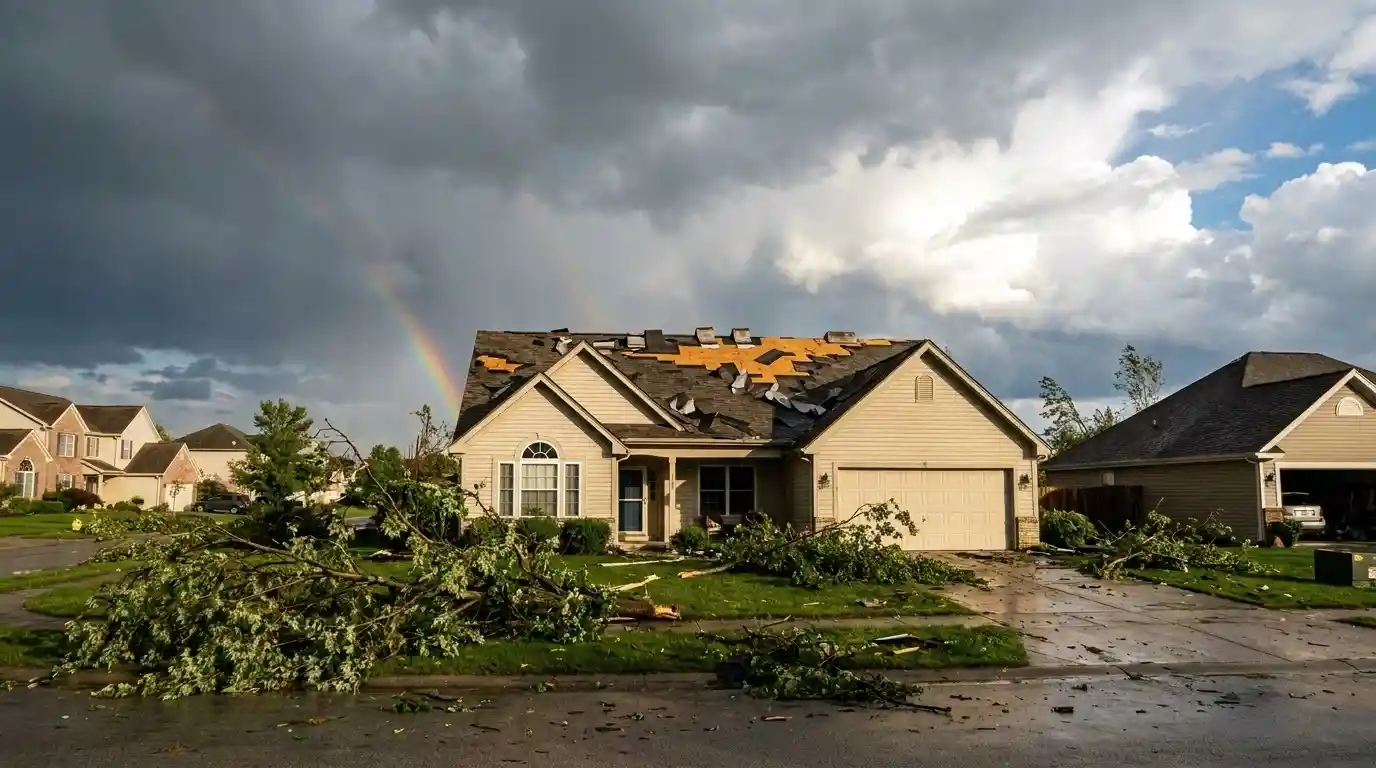
Why Roof Inspections Matter After Heavy Windstorms
Roof Inspection After a Windstorm for Homeowners
Understand why a roof inspection after windstorm is important, how to spot damage, prevent expensive repairs, and protect your property.
We’ve all been there: you’re sitting in your living room while a storm howls outside, listening to the wind rattle the windows and whip through the trees. When the sun comes up, and the air goes still, it’s easy to look out the window, see that the roof is still there, and assume everything is fine.
But wind is a deceptive force. Unlike a fallen tree or a baseball-sized hailstone, wind damage doesn’t always announce itself with a crash. It works subtly, peeling back layers and weakening the “armor” of your home.
At Eagle JA Roofing, we’ve seen how a single high-wind event can shave years off a roof’s lifespan in just a few hours. If you’re wondering, “Do I need a roof inspection after a windstorm?” the answer is almost always yes. Here is why a post-storm roof inspection is the only way to truly protect your home and your wallet.
The Hidden Nature of Wind Damage
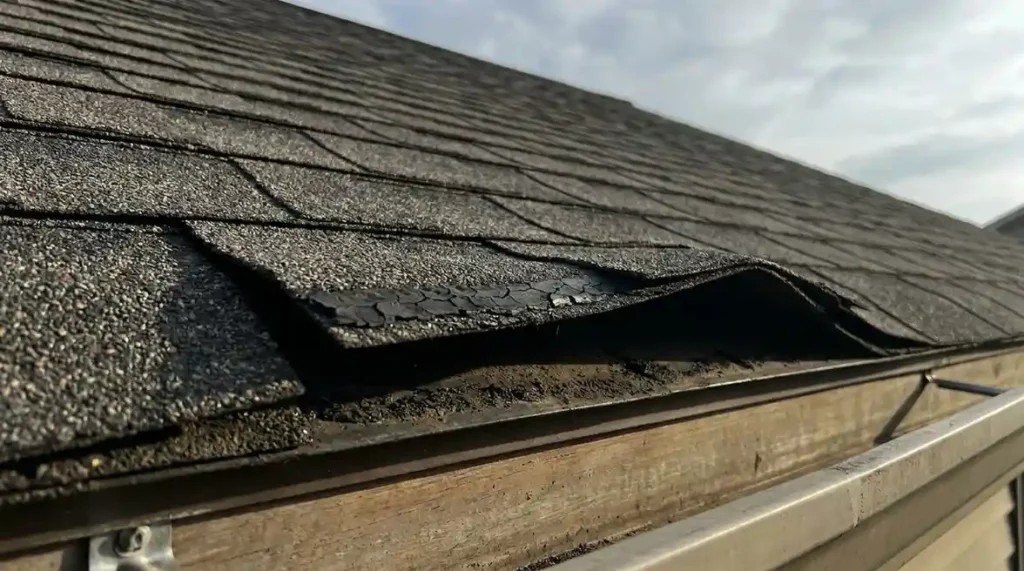
High winds don’t just blow things over; they create pressure differentials. As wind rushes over your roof, it creates an effect called wind uplift. This upward force targets the edges and corners of your shingles, trying to peel them away from the deck.
- Lifted Shingles: Even if a shingle isn’t missing, the wind may have broken the sealant strip underneath it. These lifted shingles often settle back down after the wind dies, looking perfectly normal from the ground. However, the seal is broken, leaving your roof vulnerable to the next rainstorm.
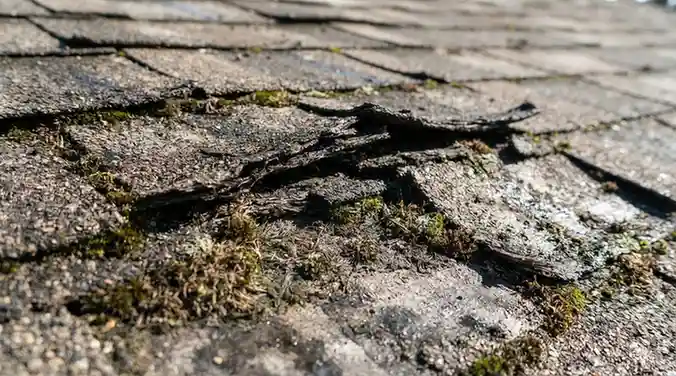
- Creased or Cracked Shingles: When shingles are blown upward repeatedly, they can develop a horizontal crease or crack near the top. This is a clear sign of wind damage on a roof that usually requires a professional eye to spot before the shingles eventually snap off.
- Bent Flashing: The metal “joints” around your chimney, vents, and valleys are prime targets. Flashing damage caused by wind can create direct pathways for water to enter your home, even if your shingles look intact.
Your DIY Windstorm Roof Inspection Checklist
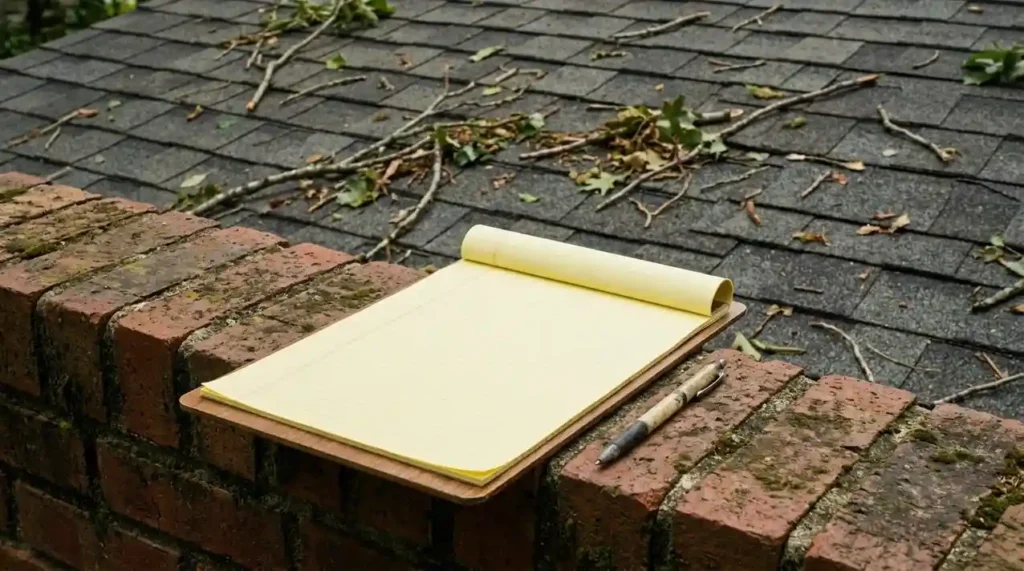
While we always recommend a professional roof inspection for safety and insurance purposes, you can start with a visual roof inspection from the safety of the ground.
Safety First: Never climb onto a roof after a storm if you aren’t a trained professional. Roofs can be slippery, structurally compromised, or littered with unstable debris. Always practice strict safety precautions.
1. The Perimeter Walk (Exterior Check)
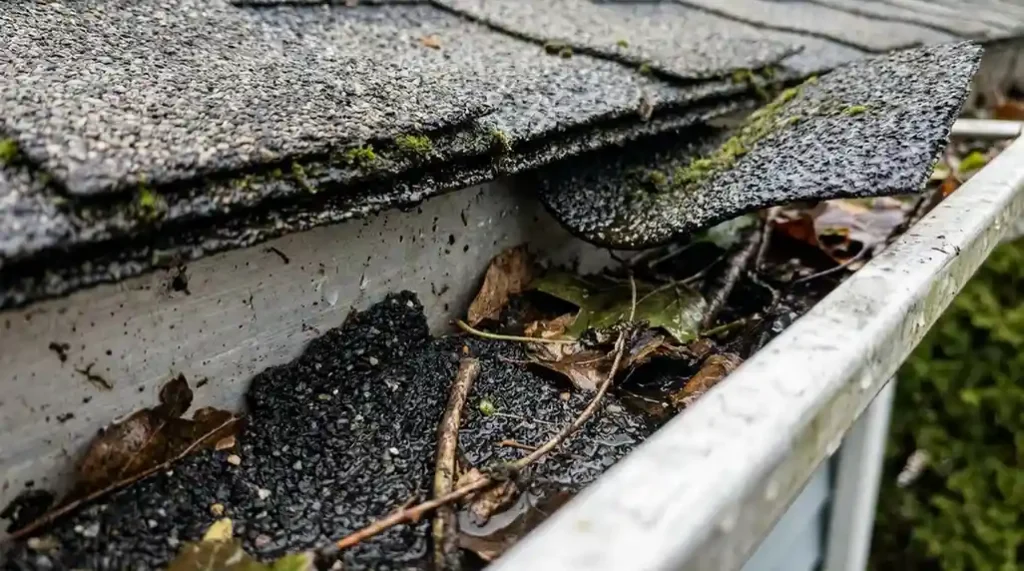
Walk around your entire home and look for:
- Missing Shingles: Check your lawn and landscaping. If you find pieces of asphalt or entire shingles on the grass, your roof’s defense has been breached.
- Gutter Damage: Look for sagging gutters or “granule loss” (sand-like grit) inside the troughs. High winds often accelerate the loss of the protective granules on your shingles.
- Debris Impact: Look for falling branches or heavy debris that may have dented the roof or cracked the substrate.
- Fascia and Soffit: Wind can sometimes tear away the trim along the roofline, exposing your rafters to the elements.
2. The Interior Search (Attic Inspection)
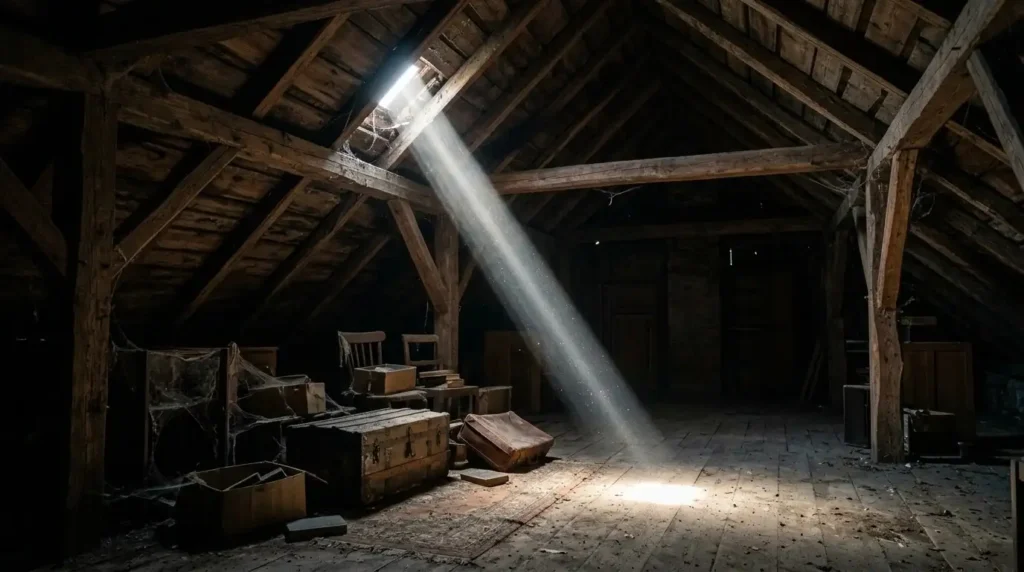
Sometimes the best way to see the roof is from underneath it. Grab a flashlight and head upstairs.
- Attic Leaks: Look for water stains on the ceiling or damp spots on the floor.
- Light Gaps: If you see sunlight peeking through the roof boards where it shouldn’t be, you have a major problem.
The Insurance Component: Why Timing is Everything
If you have roof damage after high winds, your homeowner’s insurance policy likely covers the repairs. However, insurance companies have strict “notice of loss” windows.
A storm damage assessment performed shortly after the event is crucial for a successful insurance claim inspection.
Documenting the damage early prevents the insurance company from claiming the leaks were caused by “old age” or “neglect” rather than the storm itself.
At Eagle JA Roofing, we don’t just fix roofs; we provide insurance claim help. We can provide the detailed documentation and photos your adjuster needs to see the true extent of the wind damage roof shingles have suffered.
Don’t Wait for the Drip
A roof is a system of layers. When wind compromises the top layer, it’s only a matter of time before the layers beneath start to fail.
What starts as a few lifted shingles today will inevitably turn into attic leaks and mold growth three months from now.
If your neighborhood just got hit by a “hail + wind combo” or sustained gusts over 50 mph, give yourself some peace of mind. A roof safety inspection is a small investment that protects your biggest asset.
Eagle JA Roofing is your go-to storm damage roofing service. We pride ourselves on honest, thorough inspections that tell you exactly what’s happening up there.
Has a windstorm left you worried? Contact us now for a professional post-storm inspection, and let’s keep your home protected!