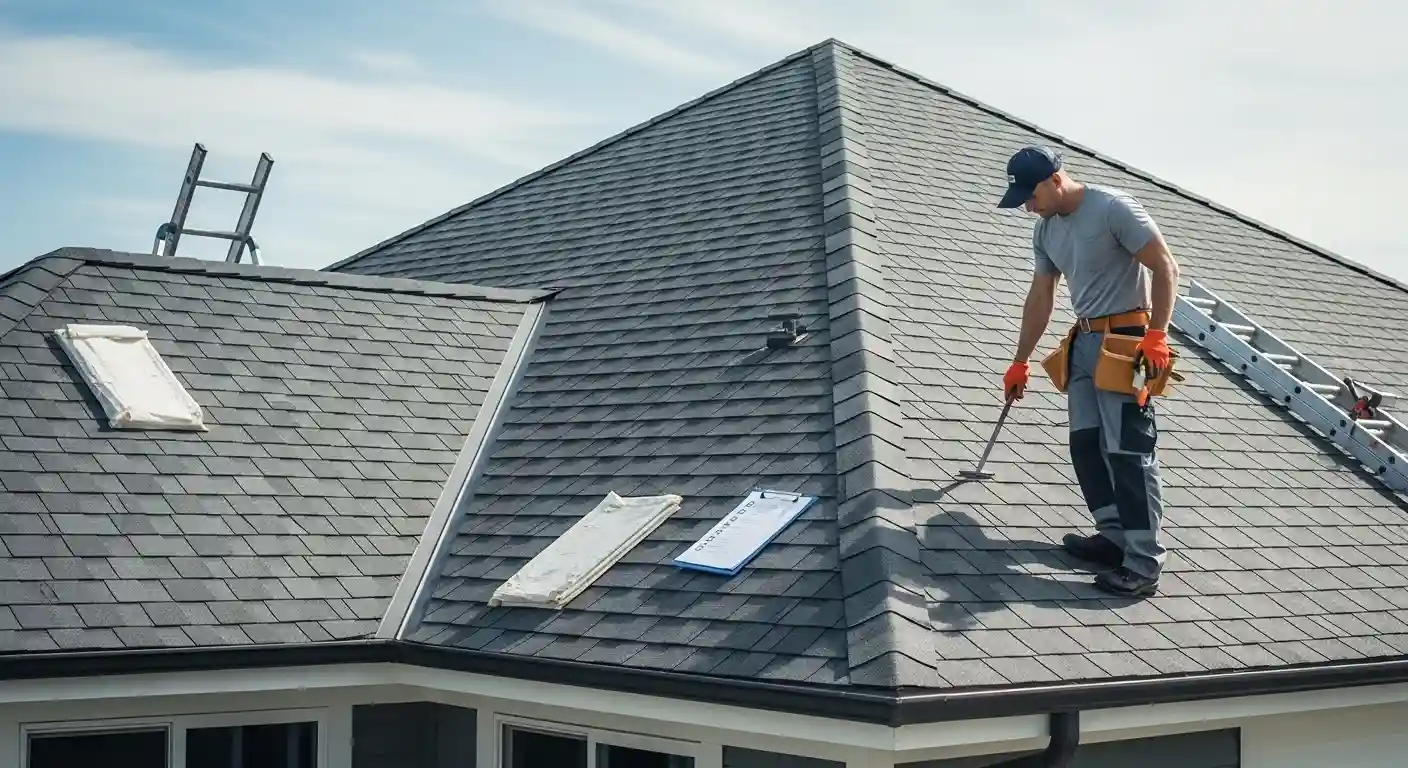
What Happens During a Professional Roof Health Evaluation?
Your home is likely your biggest investment, and the roof health is the literal shield protecting everything—and everyone—inside it. Yet, for most homeowners, the roof is “out of sight, out of mind” until a brown stain appears on the ceiling.
At Eagle JA Roofing LLC, we believe in a different approach. We see a roof not as a static object but as a living system that requires regular check-ups to stay functional.
A professional roof health check is essentially a physical exam for your home. It’s a deep dive into the roof condition to identify hidden vulnerabilities before they turn into expensive emergencies.
If you’ve ever wondered what a technician is actually looking for when they’re walking around on your shingles, here is a comprehensive look at the process and why preventive roof care is the smartest move you can make for your property.
The Anatomy of the Evaluation: More Than Just Shingles
When we perform a roof condition assessment, we aren’t just looking for holes. We are evaluating the roofing system performance as a whole.
A roof is a complex layering of deck, underlayment, shingles, flashing, and ventilation. If one part fails, the roof’s structural integrity is at risk.
1. The Exterior Surface: Tracking the Roof Aging Process
The most visible part of the evaluation is the shingle inspection. Every roof has a “biological clock,” and we look for markers of the roof aging process to determine how much life is left in the system.
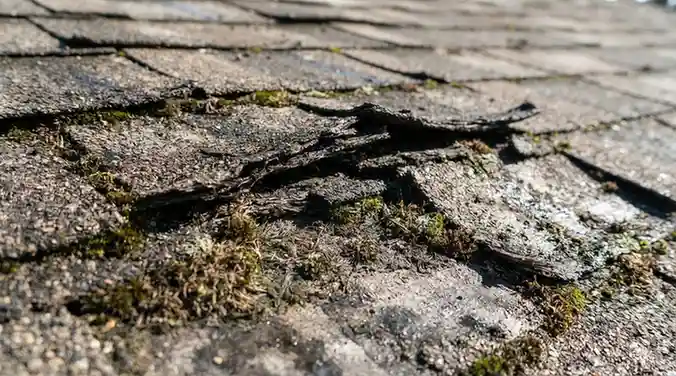
Shingle Condition Check: We look for shingles that are curling at the edges, “balding” (losing their protective stone granules), or cracking. These are the first signs of poor roof health.
Weather Impact on Roofing: Nature is a roof’s greatest enemy. We check for “bruising” from hail or shingles that have been lifted by high winds. Even if they haven’t blown off, a lifted shingle has a broken sealant strip, making it vulnerable to the next rainstorm.
Roof Cleaning and Debris: We look for organic growth like moss, algae, or lichen. While they might look “rustic,” they actually trap moisture against the shingles and eat away at the limestone filler, drastically reducing roof durability.
2. The Vulnerable Spots: Flashing and Penetrations
The vast majority of leaks don’t happen in the middle of a shingle; they happen at the “joints.” During a roof inspection, we pay extra attention to:
Chimneys and Skylights: These require metal flashing to redirect water. Over time, heat causes the metal to expand and contract, leading to cracks in the sealant.
Pipe Boots: The rubber seals around plumbing vents often dry rot long before the shingles wear out. Replacing a $20 pipe boot during a health evaluation can prevent a $2,000 interior repair later.
The Hidden Half: Attic Ventilation and Insulation
One of the most overlooked roof care tips is to look under the roof. A professional evaluation isn’t complete without checking the attic. This is where we diagnose the “silent killers” of roof health.
The Insulation and Ventilation Balance
Your roof needs to breathe. If your attic is too hot, it literally bakes the shingles from the inside out, leading to premature aging.
Attic Ventilation Health: We check that your intake vents (at the eaves) and exhaust vents (at the ridge) are clear. If insulation is stuffed into the corners, it blocks airflow.
Moisture Damage and Mold Growth: If you have bathroom fans venting into the attic instead of outside, or if the ventilation is poor, condensation will form on the underside of the roof deck. This leads to mold growth and wood rot, which compromises the roof strength.
Understanding Roof Durability Factors
Several variables dictate how long your roof will last. During our assessment, we weigh these roof durability factors to give you an honest estimate of your roof’s lifespan and maintenance schedule.
| Factor | Impact on Roof Health | Eagle JA Roofing Observation |
| Material Quality | Determines the baseline lifespan. | We identify the grade of shingles currently installed. |
| Pitch & Slope | Affects how quickly water sheds. | Steep roofs dry faster; flat sections need more frequent roof maintenance. |
| Tree Overhang | Causes physical abrasion and moss. | We look for branches that act as “battering rams” in the wind. |
| Orientation | South-facing slopes age faster due to UV. | We compare the roof condition on different sides of the home. |
The Role of Gutter Maintenance
You might think of gutters as a separate system, but they are the primary drainage highway for your roof. Part of our roof inspection guide includes a thorough check of your troughs and downspouts.
- Granule Buildup: If we see a “sand” of shingle granules in your gutters, it’s a major sign of roof aging.
- Water Backflow: Clogged gutters cause water to pool at the roof’s edge. This water can wick upward under the shingles, causing moisture damage to the fascia boards and the roof deck.
How to Maintain Roof Health: A Homeowner’s Checklist
While we recommend a professional roof health check at least once a year (and after major storms), there are preventive roof care steps you can take to protect your home’s roof performance:
Keep it clear: Use a roof rake or a soft broom to remove heavy leaves or pine needles.
Visual Scans: After a heavy wind, do a “ground-level” inspection with binoculars. Look for slipped shingles or hanging metal.
Check the Gutter Outflow: During rain, ensure water is flowing freely away from the house.
Monitor the Attic: If you notice a musty smell or see dark spots on the plywood in your attic, call for a roof condition assessment immediately.
Why Choose Eagle JA Roofing LLC?
We don’t just “look” at roofs; we understand them. Our mission is to provide you with a transparent, jargon-free report on your home’s roof’s structural integrity.
We know that a roof replacement is a major life event, and our goal with every roof health evaluation is to help you avoid that replacement for as long as safely possible.
Through consistent roof care tips and high-quality repairs, we help our clients maximize their roof lifespan. We look for the small leaks, the minor cracks, and the subtle signs of moisture damage that others might miss.
The Cost of Neglect vs. The Value of Prevention
The math is simple: a professional evaluation and minor preventive roof care cost a fraction of a full tear-off and replacement.
By staying on top of shingle condition checks and ensuring your attic ventilation health is optimal, you are protecting your family and your finances.
A healthy roof means a dry home, lower energy bills (thanks to proper ventilation), and peace of mind when the dark clouds roll in. Don’t wait for the ceiling to drip to find out your roof is struggling.
Is your roof due for a check-up?
Don’t leave your home’s safety to chance. Contact us today to schedule your comprehensive roof health evaluation.
Let us help you ensure your roof remains strong, durable, and ready for whatever the weather brings.