When Should You Schedule a Full Roof Evaluation
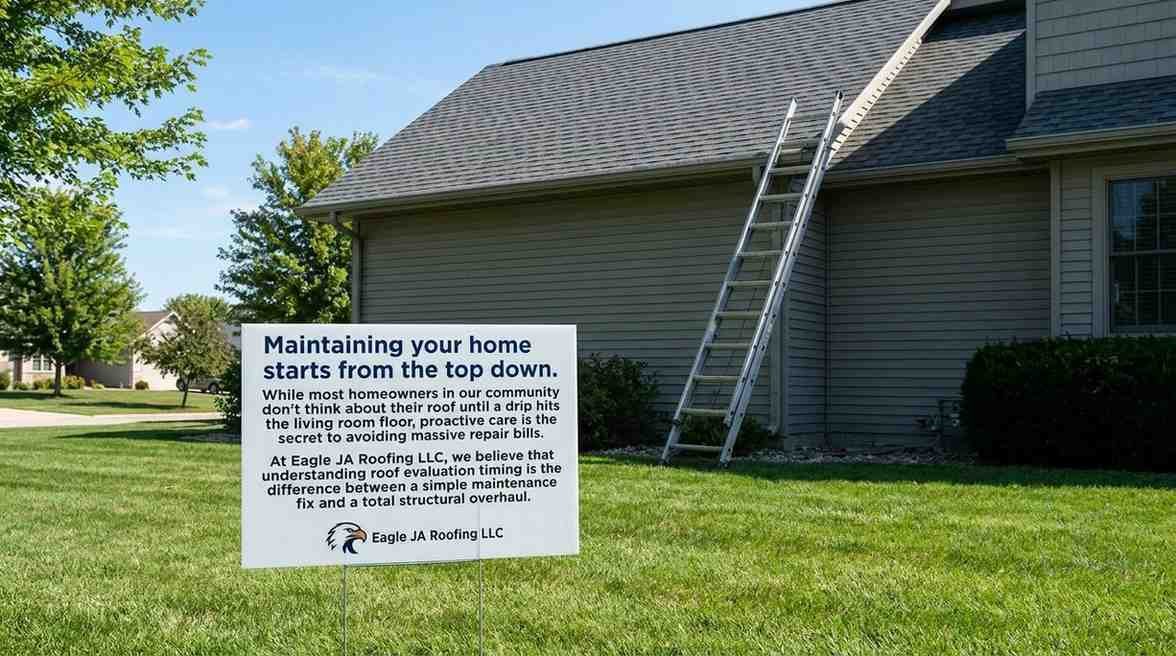
Maintaining your home starts from the top down. While most homeowners in our community don’t think about their roof until a drip hits the living room floor, proactive care is the secret to avoiding massive repair bills. At Eagle JA Roofing LLC, we believe that understanding roof evaluation timing is the difference between a simple maintenance fix and a total structural overhaul.
So, when exactly should you be calling in the pros? Here is your definitive guide to the best time for roof evaluation and how to keep your home protected year-round.
The Golden Rule: The Biannual Schedule
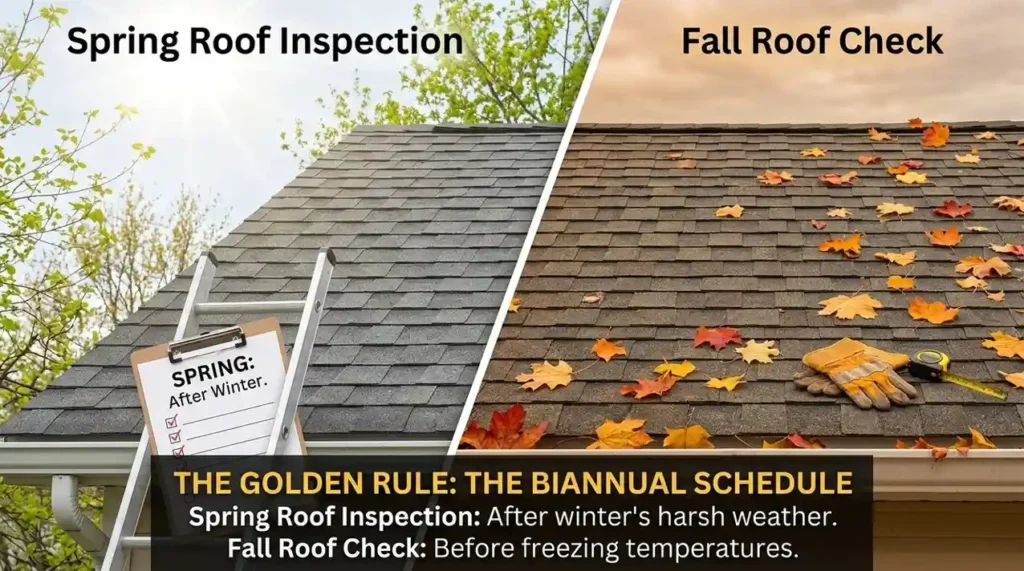
For the average homeowner, the how often to evaluate roof condition answer is simple: twice a year. A biannual check ensures that you catch small issues before they evolve into structural nightmares.
- Spring Roof Inspection: After the harsh winter months, ice damming and heavy snow can leave shingles brittle or gutters sagging. A spring checkup prepares your roof for the upcoming heat and rain.
- Fall Roof Check: This is arguably the most critical part of your home maintenance cycle. You want to clear debris and identify missing shingles or leaks before freezing temperatures arrive, making repairs much more difficult.
Timing Based on Weather and Storms
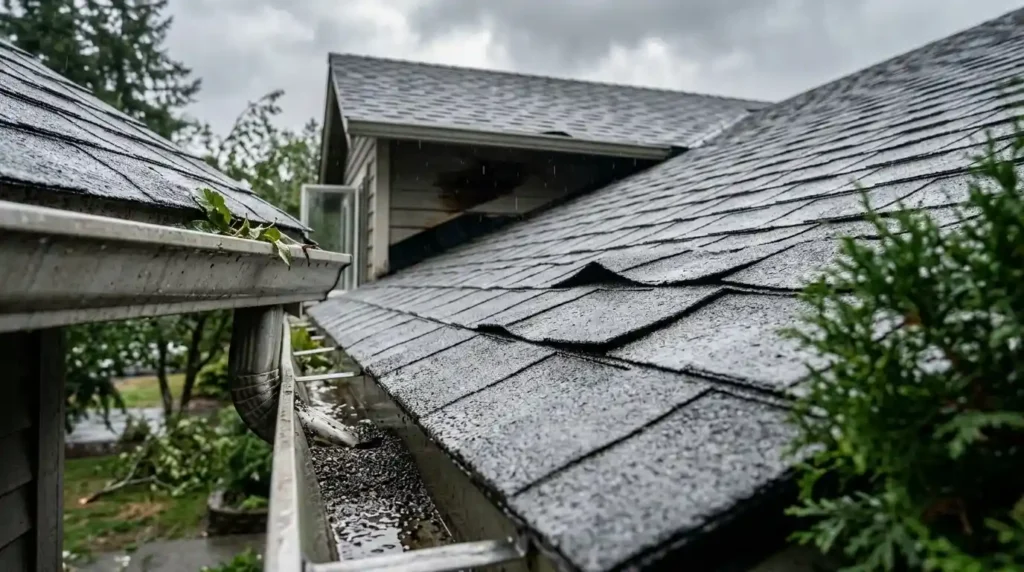
Sometimes, the calendar doesn’t dictate your needs—the weather does. In regions prone to volatile weather conditions, your storm damage inspection timing is vital.
- After Major Storms: High winds and heavy rainfall impact can loosen roofing materials. If your area has recently experienced a hail or wind event, you should schedule an assessment immediately, even if you don’t see visible damage from the ground.
- Early Damage Detection: After a storm, look for water stains on your ceilings or granules in your downspouts. These are “silent” signals that you need an immediate structural roof assessment.
Considering the Age of Your Roof
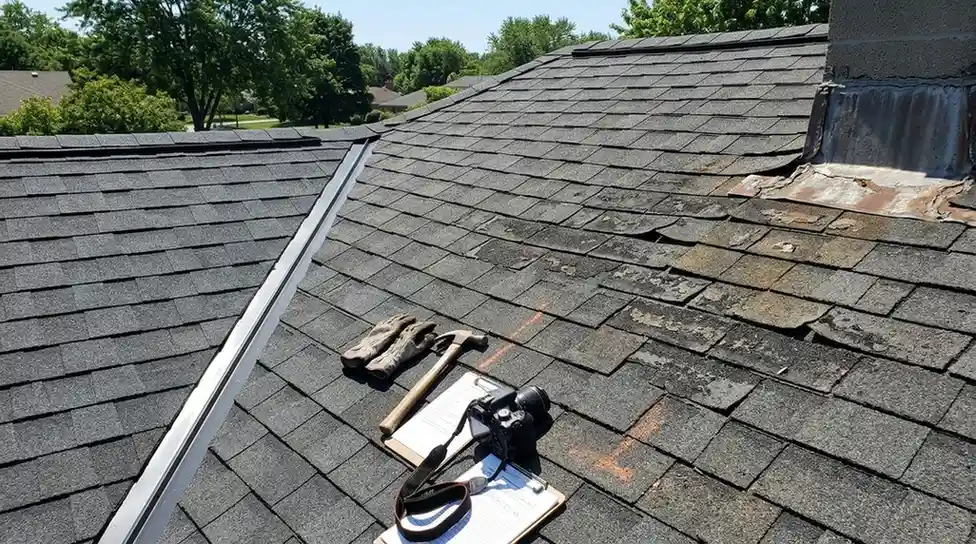
Your roof age inspection intervals change as your roof matures. A brand-new roof may only need a quick yearly glance, but as it hits the 10-to-15-year mark, the roof check frequency should increase.
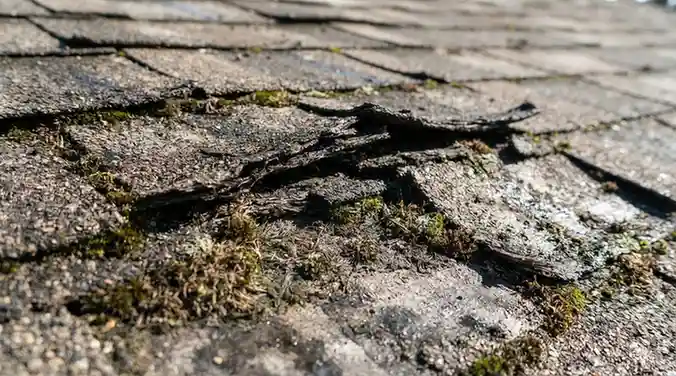
Aging roof issues like curling shingles, loss of protective granules, and flashing wear become more common over time. Regular preventive maintenance roofing during these later years can extend your longer roof lifespan by half a decade or more.
Signs You Need an Evaluation Right Now
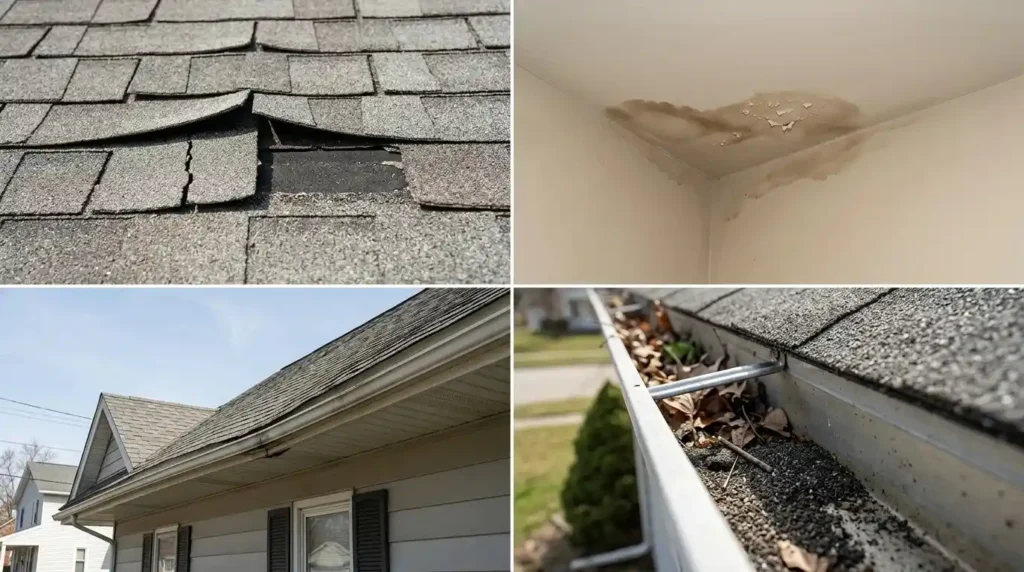
If you notice any of the following, don’t wait for your next seasonal maintenance schedule—call Eagle JA Roofing LLC today:
- Visible Damage: Curled, cracked, or missing shingles.
- Interior Clues: Dark spots on walls or peeling paint near the ceiling.
- Sagging: Any visible dipping in the roofline suggests a major safety improvement is needed.
- Clogged Gutters: Excessive shingle grit in your drainage system is a sign the roof is “shedding” its life.
Why Timing Matters: The Benefits of Proactivity
Sticking to a roof assessment timing guide isn’t just about being organized; it’s about cost savings.
- Preventive Schedule: Catching a small leak in the fall might cost a few hundred dollars. Ignoring it until winter can lead to wood rot and mold, costing thousands.
- Safety Improvement: A sound roof protects your family and your belongings. Regular checks ensure the structural integrity of your home remains uncompromised.
FAQs – roof evaluation timing
How often should you inspect your roof?
Ideally, you should have a professional evaluation twice a year—once in the spring and once in the fall—plus an extra check after any major storm.
What is the best time for a roof evaluation?
Early autumn is the most recommended time. It allows you to fix issues before the winter weather sets in, which can often trap moisture inside your home.
Can I do my own roof check?
You can perform a visual check from the ground using binoculars, but a professional has the safety gear and expertise to spot early damage detection that isn’t visible to the naked eye.
Do new roofs need inspections?
Yes. Even new roofs can suffer from storm exposure or installation errors that only a professional roofing evaluation can catch before the warranty expires.
Final Thoughts
A roof is your home’s first line of defense. By following a consistent roof maintenance schedule and reacting quickly to seasonal changes, you ensure a safer, drier, and more valuable home.
Don’t wait for a leak to tell you your roof is failing. Contact us now to schedule your professional evaluation and stay ahead of the weather!