How Roof Moisture Builds Up Without Visible Leaks
Eagle JA Roofing LLC explains roof moisture buildup causes, attic humidity issues, condensation problems, and hidden dampness in roof systems.
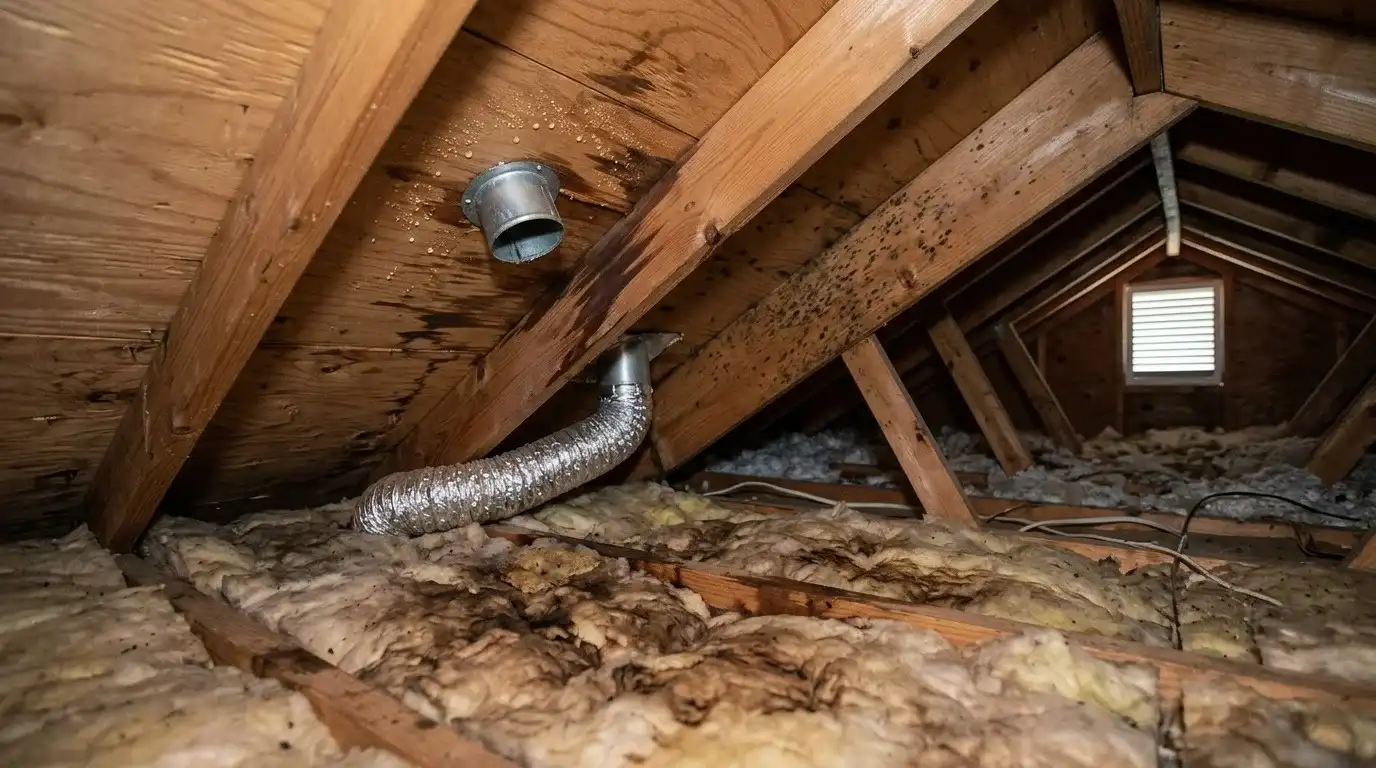
If you’ve ever climbed into your attic to pull down holiday decorations only to be met with a musty, heavy scent—or worse, the sight of dark spots on the plywood—your first instinct is probably to panic.
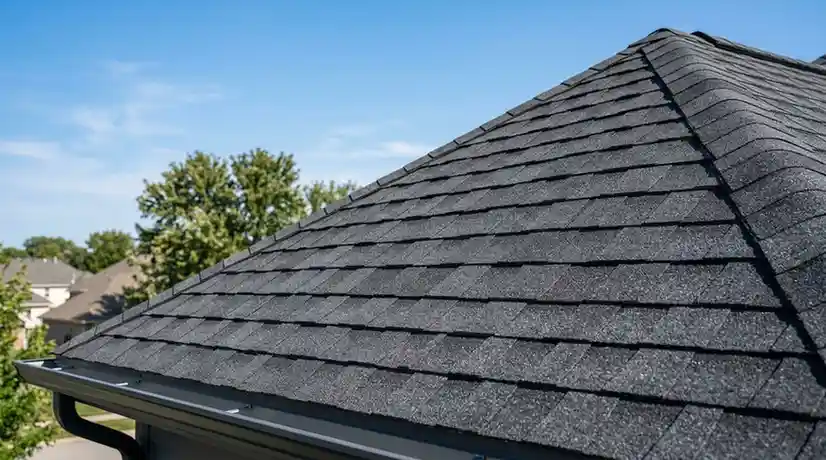
You check the shingles, look for a hole in the roof, and find… nothing. The roof looks brand new. No missing tiles, no cracked flashing.
At Eagle JA Roofing LLC, we get this call all the time. Homeowners are baffled because they have a “leak” that doesn’t seem to care if it’s raining or sunny.
The reality is that your roof doesn’t always need a hole in it to get wet. Often, the culprit isn’t a storm; it’s the air inside your own home.
Understanding roof moisture buildup is the first step toward saving your home from costly, invisible damage.
Why Your Roof Gets Damp Inside (Even When It’s Dry Outside)
Most people think of their roof as a shield against the rain. While that’s true, it also acts as the “lid” on a very complex pressure cooker: your home. The primary roof moisture causes aren’t usually external; they are internal.
The scientific term is temperature-difference condensation. Think of a cold glass of lemonade on a humid July afternoon. The glass “sweats,” right?
The same thing happens to your roof. When warm, moist air from your kitchen, bathroom, or laundry room rises into a cold attic, it hits the underside of your roof deck. If that wood is cold enough, the water vapor in the roof structure turns back into liquid.
Suddenly, your rafters are dripping, not because of a hole in the shingles, but because your attic is “sweating.”
The “Silent Killers” of a Healthy Attic
If you are wondering why your roof gets damp inside, it usually boils down to a few common architectural hiccups:
1. The Ventilation Trap
Poor roof ventilation is the most frequent offender. Your attic needs constant airflow to stay healthy.
If your soffit vents are blocked by insulation or your ridge vents are failing, you end up with trapped humidity. Without a way to escape, that moisture sits against your roof deck until it causes trouble.
2. The Great Insulation Gap
We all want a cozy home, but insulation problems can actually hurt your roof. If there are insulation gaps, warm air from your living room leaks into the attic. This creates a massive temperature imbalance.
The bottom of your attic stays warm while the top (the roof deck) stays cold. This “clash of temperatures” is exactly what triggers attic condensation.
3. Winter Woes
Winter moisture roof issues are particularly sneaky. During a freeze, that condensation can actually turn into frost on the underside of your roof.
When the sun comes out and the attic warms up, that frost melts all at once. Homeowners often mistake this “attic rain” for a major leak, but it’s actually just a humidity imbalance coming home to roost.
Red Flags: How to Spot the Problem Before it’s Too Late
Since roof condensation problems happen out of sight, you have to be a bit of a detective. Here is what to look for:
| The Symptom | What’s Actually Happening | The Long-Term Risk |
| Mold Smell | High humidity is feeding spores. | Mold growth risks to your family’s health. |
| Wet Attic Walls | Moisture is clinging to the vertical surfaces. | Wood rot and structural decay. |
| Damp Insulation | Vapor has turned to liquid and “rained” down. | Insulation damage (it loses its R-value). |
| Water Droplets | Severe temperature imbalance is occurring. | Structural weakening of the roof rafters. |
Roof Leakage vs. Condensation: A Quick Guide
Before you spend thousands on a new roof, you need to know what you’re actually fighting. Identifying the specific roof dampness reasons can save you a fortune.
- It’s likely a Leak if: The water is in one specific spot, it happens immediately after a heavy rain, or you can see physical damage to the shingles or flashing outside.
- It’s likely Condensation if: The dampness is spread across a large area, it happens during a seasonal temperature shift (like the first cold snap of autumn), or you notice “frost” inside the attic during winter.
Taking Control: Your Game Plan for a Dry Attic
Fixing the reasons for attic moisture buildup isn’t just about mopping up water; it’s about changing your home’s environment. At Eagle JA Roofing LLC, we recommend a three-step approach:
1. Airflow Management
The goal is to make your attic temperature as close to the outdoor temperature as possible. This requires a ventilation improvement. We ensure that fresh air enters through the eaves and exits through the peak. This constant “breeze” carries water vapor out before it can settle.
2. Insulation Upgrade
Properly installed insulation acts as a barrier. It keeps the “living air” downstairs and the “attic air” upstairs. By filling insulation gaps, you prevent the heat transfer that causes condensation to form in the first place.
3. Moisture Control at the Source
Sometimes the fix starts in the bathroom. Ensure your exhaust fans are actually venting outside the house, not just dumping moist air into the attic. Small changes in moisture control can have a massive impact on the longevity of your roof.
The Eagle JA Roofing Difference
A damp attic is a ticking time bomb for wood rot and structural weakening. Whether the issue is a stubborn leak or a complex ventilation problem, you need an expert who knows the difference.
We don’t just look at your shingles; we look at the health of your entire home “envelope.” From airflow management to identifying poor ventilation, we help homeowners in our community keep their roofs dry and their families safe.
Stop guessing and start protecting your home. Contact us now for a comprehensive inspection, and let’s get your attic breathing again!