How to Choose the Right Roofing Contractor
Your roof is the most structurally critical component of your home — and hiring the wrong roofing contractor to repair, replace, or inspect it is one of the most expensive mistakes a Cleveland homeowner can make. We’ve seen it happen more times than we’d like to count: a homeowner gets a low-ball quote from an unlicensed crew, the work fails within two years, the contractor has vanished, and now the homeowner is paying twice to fix the same roof.
Choosing the right roofing contractor is not complicated — but it does require knowing exactly what to look for, what questions to ask, and what warning signs to walk away from. In this guide, the team at Eagle JA Roofing LLC breaks down everything Cleveland homeowners, home buyers, landlords, and property managers need to know to hire a professional roofing contractor with total confidence.
Whether you’re dealing with an emergency roof leak, recovering from storm damage, or planning a complete roof replacement, this is the guide that protects you before you ever sign a contract.
What Does a Roofing Contractor Do?
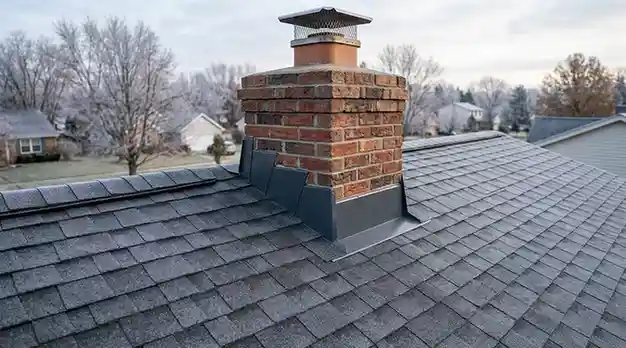
A professional roofing contractor is a licensed, trained specialist who evaluates, repairs, replaces, and installs residential and commercial roofing systems. The role goes far beyond climbing a ladder and nailing shingles. A qualified roofing contractor diagnoses the root cause of roofing problems, recommends the right solution for your specific situation, selects appropriate materials for your climate and budget, obtains required permits, coordinates skilled labor, and backs the finished work with a warranty.
Here in Northeast Ohio, a skilled roofing contractor also needs to understand the specific structural demands that Cleveland’s climate places on every roofing system — from freeze-thaw cycling that stresses flashing and underlayment to lake-effect snow loads that exceed what most standard roofing materials were designed to handle without proper installation.
Residential Roofing
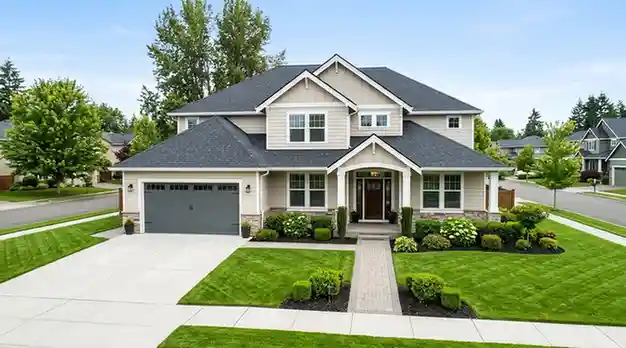
For homeowners, a residential roofing contractor handles everything from minor shingle repairs to complete roof replacement on single-family homes, duplexes, and multi-family properties. Residential work includes leak repair, storm damage restoration, flashing replacement, gutter system maintenance, attic ventilation improvements, and full roof installation on new construction or rebuilds.
A quality residential roofing contractor in Cleveland does all of this while treating your home — and your family’s schedule — with respect. Clean worksites, clear timelines, and honest communication are non-negotiable standards, not optional extras.
Commercial Roofing
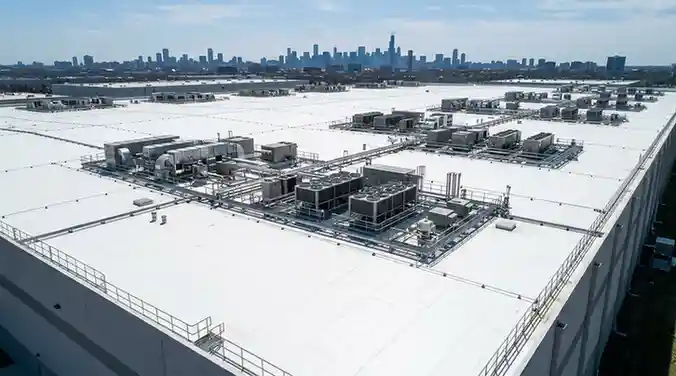
Commercial roofing contractors work on a different scale with different materials and system requirements. Flat roofs, low-slope membrane systems, TPO, EPDM, and built-up roofing (BUR) systems all require specialized installation knowledge and equipment that residential-only contractors don’t typically carry.
For property managers, business owners, and landlords managing commercial buildings in the Cleveland area, hiring a roofing contractor with verified commercial experience is especially important — because a commercial roofing failure rarely affects just one tenant, and delays cost real money every day they persist.
When Should You Hire a Roofing Contractor?
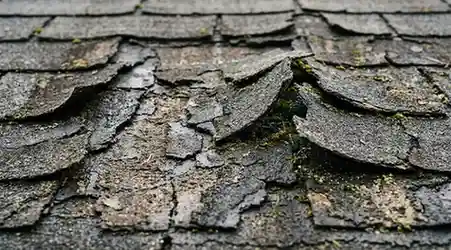
One of the most common questions homeowners ask is whether their roofing problem is serious enough to call a contractor — or whether it’s something they can monitor, patch themselves, or simply ignore for another season. The answer, almost universally, is to call sooner than feels necessary. Roofing problems compound with time. What costs $300 to fix in April can cost $3,000 to fix in October after a summer of unchecked water intrusion.
Here are the three situations that always require a licensed roofing contractor — not a YouTube tutorial and a bag of roofing cement:
Roof Leaks
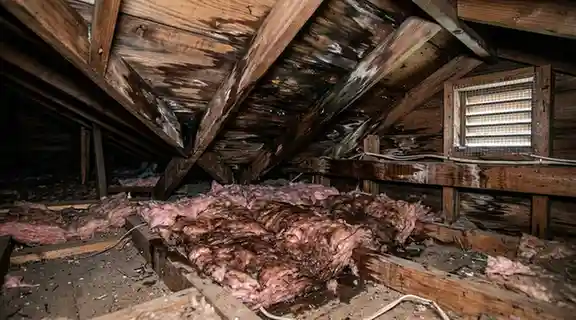
Any active leak — or evidence of past leakage including ceiling stains, damp insulation, or a musty attic smell — requires a professional roofing contractor immediately. Leaks are deceptive. The visible drip on your ceiling is rarely where the actual problem originates. Water travels along roof decking, rafters, and insulation before appearing indoors, which means the entry point could be several feet away from where you see the damage.
A licensed roofing contractor uses systematic diagnostic techniques to trace leaks to their true source — not just slap sealant on the nearest seam and call it done. Our roof repair solutions at Eagle JA Roofing LLC are built around finding the real problem and fixing it permanently, not creating temporary patches that fail before the next rainstorm.
Storm Damage
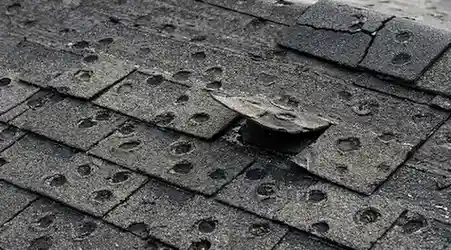
Cleveland storms — including the high-wind events, hailstorms, and heavy snowfall that Cuyahoga County residents deal with every single year — can damage roofing systems in ways that aren’t visible from the ground. Missing shingles are obvious. Impact bruising on asphalt shingles, separated flashing, cracked ridge caps, and loosened underlayment are not.
After any significant storm, hire a professional roofing contractor to conduct a thorough inspection. Insurance claim windows are time-limited, and damage documentation deteriorates as weather continues to act on an already-compromised surface. The cost of the inspection is minimal compared to the insurance coverage you could lose by waiting.
Roof Replacement
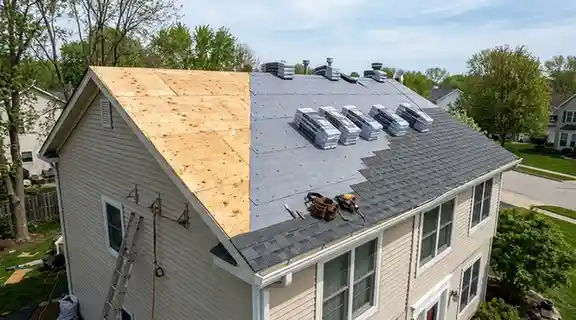
When a roof reaches the end of its functional lifespan — typically 20 to 25 years for asphalt shingles in Cleveland’s climate — or when accumulated damage makes repair more expensive than replacement, a licensed roofing contractor is the only appropriate professional for the job. A full roof replacement involves tear-off of existing materials, structural deck inspection and repair, new underlayment installation, flashing replacement, and complete shingle or membrane installation — all of which require licensing, specialized equipment, and trained crews.
This is not a DIY project and not a job for a general handyman. The consequences of poor roof installation — voided manufacturer warranties, failed inspections, structural moisture damage — are too serious and too expensive to risk on unqualified labor.
How to Choose the Right Roofing Contractor
This is the section that matters most. Every homeowner who has been burned by a bad roofing contractor wishes they had asked the right questions before signing. Every homeowner who chose their contractor wisely wonders why anyone would approach this decision any other way. Here is the complete checklist for choosing a roofing contractor you can trust:
Licensing
In Ohio, roofing contractors are required to carry a valid state contractor’s license. Before hiring any roofing contractor in Cleveland, verify their license number directly with the Ohio Construction Industry Licensing Board (OCILB). A license confirms that the contractor has met Ohio’s minimum competency and training standards, and it creates an official record of accountability that unlicensed operators simply don’t have.
Any roofing contractor who is reluctant to share their license number — or who claims they “don’t need one for this type of work” — should be disqualified immediately. There are no exceptions to the licensing requirement for professional roofing work in Ohio.
Insurance
A licensed roofing contractor must carry two types of insurance: general liability insurance and workers’ compensation coverage. General liability protects your property from damage caused by the contractor’s work. Workers’ compensation protects you from financial liability if a crew member is injured on your property during the project.
Always ask for Certificates of Insurance before any work begins and verify that coverage is current — not simply that coverage existed at some point in the past. Call the insurer to confirm if you want to be completely certain. An insured roofing contractor isn’t just a professional credential — it’s your legal and financial protection throughout the project.
Experience
Years in business matter — but so does the type of experience. A roofing contractor with 15 years of residential shingle installation may not be the right choice for a complex flat commercial roof. Ask specifically about experience with your roof type, your building style, and your roofing material of choice.
In Cleveland, look for contractors with proven experience managing Northeast Ohio’s specific roofing challenges: ice dam prevention, proper ventilation systems for cold-climate performance, and material selection suited to extreme freeze-thaw cycling. Local roofing experience is not interchangeable with experience in a milder climate — the installation details that separate a roof that lasts 30 years from one that fails in 10 are often climate-specific.
Reviews
Customer reviews are one of the most reliable indicators of a roofing contractor’s real-world performance. Check Google Business reviews, the Better Business Bureau profile, and any testimonials visible on the contractor’s website. Look for patterns — not just star ratings. Multiple reviews mentioning punctuality, clean worksites, honest communication, and quality results tell you something real. Multiple reviews mentioning missed timelines, surprise charges, or poor workmanship tell you something important too.
Also ask the contractor for references from recent Cleveland-area projects and actually call them. A confident, reputable roofing contractor welcomes reference calls because satisfied customers are their best marketing.
Certifications
Manufacturer certifications — like those issued by GAF, Owens Corning, CertainTeed, and other major roofing material manufacturers — indicate that a roofing contractor has met additional training requirements beyond basic licensing and is authorized to install that manufacturer’s products under their full warranty program.
A certified roofing contractor can offer extended manufacturer warranties that uncertified contractors legally cannot provide. In practical terms, this means the materials your new roof is built from are covered more completely and for longer — which is exactly the kind of protection worth asking about before you hire.
Questions to Ask Before Hiring a Roofing Contractor
Once you’ve verified licensing, insurance, experience, reviews, and certifications, it’s time for the conversation. Here are the four most important questions every Cleveland homeowner should ask any roofing contractor before signing a contract:
Warranty
Ask specifically: What warranty do you provide on your workmanship, and what does the manufacturer’s material warranty cover? These are two separate warranties, and you need both explained clearly in writing. A workmanship warranty covers installation errors. A manufacturer warranty covers material defects. Understand what each covers, for how long, and what actions by you or by other contractors would void the coverage.
Any roofing contractor who cannot answer this question clearly and in writing is not a contractor you should hire.
Timeline
Ask for a specific, written project timeline: when work begins, how many days the project requires, and what happens if weather or material delays push the schedule. A professional roofing contractor has managed enough projects to give you a realistic timeline — not an optimistic sales promise. Understanding the schedule before work starts eliminates the most common source of homeowner frustration during roofing projects.
Materials
Ask which specific materials will be used on your project — manufacturer name, product line, and grade — and why those materials are the right choice for your home and Cleveland’s climate. A knowledgeable roofing contractor can explain the practical differences between material grades, their respective lifespans in Northeast Ohio conditions, and how material choice affects both the project cost and the long-term performance of your roof.
If a contractor is vague about materials or resistant to specifying them in the written estimate, that’s a problem. You are paying for specific products and you have every right to know exactly what they are.
Pricing
Get at least two to three written estimates — not phone quotes — before making your hiring decision. A written roofing estimate should itemize every line item: materials, labor, disposal fees, permit costs, and any contingency charges for unexpected structural issues discovered during tear-off.
Never choose a roofing contractor based on price alone. The lowest bid almost always reflects corners being cut somewhere — unlicensed labor, substandard materials, skipped steps in the installation process, or no real warranty backing the work. Choose based on the combination of value, credentials, communication quality, and confidence in the contractor’s workmanship. The cheapest roof installed poorly always costs more in the long run than the right roof installed correctly the first time.
Red Flags to Watch Out For
The roofing industry, unfortunately, attracts a certain number of operators who take advantage of homeowners — particularly after storms when demand is high and homeowners are anxious to get their roofs fixed quickly. Here are the red flags that should end your consideration of any roofing contractor immediately:
No Insurance
A roofing contractor without current, verifiable insurance is not a contractor — they’re a liability. If an uninsured worker is injured on your property, you can be held financially responsible. If their work damages your home, you have no coverage pathway. There is no scenario where hiring an uninsured roofing contractor is acceptable, regardless of how low their price is or how confident they sound.
No Written Estimate
A verbal quote is not a contract. A legitimate professional roofing contractor always provides a detailed, written estimate before work begins. Any contractor who pressures you to accept a verbal agreement, “handshake deal,” or vague one-line invoice is someone you should not hire — full stop. A written estimate protects you legally, establishes clear scope of work, and holds the contractor accountable to what was agreed.
High-Pressure Sales
Storm chasers — out-of-town contractors who follow storm events into affected communities — are notorious for creating artificial urgency to push homeowners into signing contracts before they’ve had time to think, compare, or verify credentials. Pressure tactics like “this price is only good today,” “I happen to have leftover materials from a nearby job,” or “your neighbor just signed” are manipulation techniques, not legitimate sales practices.
A reputable, experienced roofing contractor in Cleveland doesn’t need to pressure you. Their work speaks for itself and their reputation sustains their business without manufactured urgency. Take the time you need. A contractor worth hiring will still be available when you’ve made a thoughtful decision.
Benefits of Hiring a Professional Roofing Contractor
Beyond the obvious goal of getting your roof fixed, here’s what a truly professional roofing contractor provides that no cut-rate alternative can match:
Safety
Roofing is one of the most physically dangerous construction trades. Working at height on sloped surfaces with heavy materials and power tools creates serious fall and injury risks that professional contractors manage through proper safety equipment, training, and protocols. A licensed roofing contractor is required to maintain OSHA-compliant safety practices — protecting their crew, your property, and everyone on your premises during the project.
Homeowners who attempt DIY roofing repairs or hire unqualified crews to save money frequently encounter accidents, additional property damage, and work that fails to meet building code requirements. The safety and liability protection of hiring a properly licensed and insured roofing contractor is, by itself, worth the professional cost.
Quality Workmanship
Professional installation isn’t just about following steps — it’s about understanding why each step matters and how each component interacts with the system as a whole. Proper drip edge installation prevents fascia rot. Correctly placed flashing at chimneys and skylights prevents the most common leak entry points. Adequate ventilation extends shingle lifespan and reduces attic heat buildup in summer and ice dam formation in winter.
These are the details that separate a roof that performs flawlessly for 30 years from one that requires constant repair. A skilled roofing contractor gets them right because getting them right is part of the professional standard — not an optional upgrade.
Warranty Protection
Only a licensed, manufacturer-certified roofing contractor can offer the full scope of warranty protection your new roof deserves. This includes the manufacturer’s material warranty — covering defects in shingles, underlayment, and other installed components — and the contractor’s own workmanship warranty covering installation quality. Without both, you’re exposed to significant out-of-pocket costs if either the materials or the installation fails within the warranty period. Protecting that warranty coverage starts with choosing the right contractor before the first shingle is installed.
How Cleveland Weather Impacts Roofing Projects
Cleveland’s position on the southern shore of Lake Erie creates one of the most demanding roofing environments in the continental United States. Understanding how Northeast Ohio’s specific climate challenges affect roofing systems is part of what makes a locally experienced roofing contractor so valuable — and why out-of-state contractors rarely serve Cleveland homeowners as well as local experts do.
Snow
Lake-effect snow events can deposit several feet of accumulation in a matter of hours in the greater Cleveland and Cuyahoga County area. That snow load creates structural pressure on roof decking and framing that standard residential roofing systems are designed to handle — but only when properly installed with adequate structural support and correct fastener patterns. An experienced local roofing contractor in Cleveland installs roofing systems with these load considerations specifically in mind. A contractor from a milder climate often doesn’t.
Ice
Ice dams form when heat escaping from a poorly insulated or improperly ventilated attic melts snow on the upper roof sections. That meltwater runs down toward the eave, where it refreezes because the eave overhangs the warm living space below. The resulting ice dam backs water up under shingles, through underlayment, and into your home’s interior — causing damage that is entirely preventable with proper ventilation and insulation work.
A qualified roofing contractor in Cleveland addresses ice dam risk not just by installing proper drip edge and underlayment ice-and-water shield in vulnerable locations, but by evaluating and improving attic ventilation as part of every quality roof installation. Consider scheduling a roof inspection before winter to catch ventilation issues that could create ice dam problems before the first freeze.
Wind
Northeast Ohio wind events — both the sustained lake-off winds from Lake Erie and the severe gusts that accompany major storm systems moving through the region — create significant uplift forces on roofing systems. Proper fastener patterns, correct shingle exposure, and adequate flashing securement are critical for wind resistance. Many shingle manufacturers offer wind warranty endorsements up to 130 mph for properly installed products — but “properly installed” is the key phrase, and it requires a certified roofing contractor who follows manufacturer installation specifications precisely.
Hail
Hailstorms are a regular reality for Cleveland homeowners, and the damage they cause is frequently more serious than it appears to the naked eye from the ground. Hail impact bruises asphalt shingles at the granule-adhesion layer, accelerating granule loss that dramatically shortens shingle lifespan — even when the shingles look intact. This type of damage is reliably documented only by a trained roofing inspector on the roof surface itself.
If your Cleveland property has experienced a hailstorm in the past two years, contact Eagle JA Roofing LLC for a professional inspection and damage documentation before your insurance claim window closes. The difference between a documented claim and an expired claim window can be worth thousands of dollars. You can also review our roof inspection checklist to understand what our inspectors evaluate after weather events.
Final Thoughts
Choosing the right roofing contractor is one of the most consequential decisions a homeowner makes. Done right, it means a durable, warranted, properly installed roofing system that protects your home and your family for decades. Done wrong, it means repeated repairs, voided warranties, insurance headaches, and costs that far exceed what a quality contractor would have charged from the beginning.
The checklist is straightforward: verify licensing and insurance, evaluate experience and local knowledge, read real reviews, understand the warranty terms, get everything in writing, and walk away from anyone who uses pressure tactics or can’t answer basic questions clearly.
At Eagle JA Roofing LLC, we’ve built our reputation across Cleveland, Cleveland Heights, Lakewood, Parma, Euclid, and the entire Cuyahoga County area by meeting — and exceeding — every standard on that checklist. We’re a licensed, insured, locally operated roofing contractor with the certifications, track record, and community presence to back up every claim we make.
If you’re ready to work with a Cleveland roofing contractor you can trust, we’re ready to earn that trust — starting with a free, no-pressure inspection and honest written estimate.
Learn more about our complete roofing services in Cleveland, explore our completed roofing projects, or contact us today to schedule your free inspection.
Frequently Asked Questions — Roofing Contractor Guide
What does a roofing contractor do?
A professional roofing contractor evaluates, repairs, replaces, and installs residential and commercial roofing systems. Services include leak diagnosis and repair, shingle and flashing replacement, complete roof tear-off and installation, storm damage assessment, insurance documentation, and preventative maintenance inspections. A licensed contractor also pulls required permits and backs completed work with both a workmanship warranty and a manufacturer’s material warranty.
How do I choose a roofing contractor?
Verify their Ohio contractor’s license, confirm current general liability and workers’ compensation insurance, check Google and BBB reviews for recent Cleveland-area projects, ask for manufacturer certifications, and get at least two to three detailed written estimates before deciding. Choose based on credentials, communication quality, and confidence in their workmanship — not lowest price alone.
Should roofing contractors be licensed in Ohio?
Yes — absolutely. Ohio requires roofing contractors to carry a valid state contractor’s license issued by the Ohio Construction Industry Licensing Board (OCILB). A license confirms minimum competency standards and creates a record of professional accountability. Hiring an unlicensed contractor in Ohio voids your legal protections and frequently voids any applicable material warranties.
How can I verify a roofing contractor’s credentials?
Verify the Ohio contractor’s license through the OCILB online database. Request Certificates of Insurance for both general liability and workers’ compensation and call the insurer to confirm current coverage. Check Google Business, BBB, and the contractor’s website for verified reviews. Ask for references from recent local projects and follow up on them.
How much does a roofing contractor charge in Cleveland?
Roofing contractor pricing in Cleveland varies significantly by project type. Minor repairs may start around $150–$500. Larger storm damage repairs typically range from $500 to $3,000+. Complete roof replacements generally run $6,500 to $18,000+ for residential properties depending on size, pitch, and materials. Eagle JA Roofing LLC provides completely free, written, itemized estimates on every project — so you always know exactly what you’re paying before work begins.
What’s the difference between a roofing contractor and a roofing company?
In practice, the terms are often used interchangeably. A roofing contractor typically refers to a licensed individual or business entity that personally performs or directly supervises roofing work. A roofing company may be a larger organization that employs multiple contractors and crews. What matters most is not the label — it’s the licensing, insurance, experience, and warranty backing behind the entity you hire.
Should I get multiple roofing estimates?
Yes — always. Getting two to three written estimates before hiring a roofing contractor is standard practice and strongly recommended. Multiple estimates help you understand fair market pricing for your project, identify outliers (both suspiciously low and unusually high), and give you a basis for comparing materials, scope of work, and warranty terms across contractors. Never accept a single verbal quote as your only information source.
What questions should I ask before hiring a roofing contractor?
Ask about: Ohio contractor license number and how to verify it; current insurance certificates; specific experience with your roof type in Cleveland’s climate; what materials will be used and why; exact project timeline; workmanship warranty terms and duration; manufacturer warranty coverage; and how unexpected structural issues discovered during tear-off will be handled and priced.
How long does a roofing project take?
Timelines vary by project type. Minor repairs are often completed in hours or within one day. Most standard residential roof replacements in Cleveland are completed in one to two days. Complex multi-section roofs, large commercial systems, or projects requiring structural deck repair may take three to five days or more. A professional roofing contractor provides a specific written timeline with your estimate and communicates any changes promptly.
Do roofing contractors provide warranties?
Reputable, licensed roofing contractors provide two levels of warranty: a workmanship warranty covering the quality of their installation, and a manufacturer’s material warranty covering defects in the shingles and roofing components. Warranty terms, duration, and coverage conditions vary — always get them explained clearly in writing before signing any contract. Manufacturer-certified contractors can offer extended warranty programs unavailable from non-certified contractors.